티켓, 휴무일, 그리고 예약 적기
테이블 마운틴 입장권
테이블 마운틴 케이블카 티켓, 어떤 걸 예약해야 할까? 스킵더라인 티켓이 실제로 얼마나 시간을 절약해 주는지, 그리고 바람과 날씨, 연례 정비로 케이블카가 운행을 멈출 수 있는 이유까지 알아보자.
Check dates and availability ↗빠른 답변
빠른 입장과 도착 전 티켓 소지를 원하신다면 사전 예약 케이블카 티켓을 예약하세요. 일반 티켓은 붐비는 날에는 여전히 줄을 서야 할 수 있으며, 케이블카가 만원일 때는 티켓 소지자만 탑승할 수 있습니다. 케이블카는 기상 조건이 허락할 때만 운행되며, 강풍, 악천후, 연례 정비 기간에는 운행이 중단될 수 있습니다. 당일 운영사의 실시간 운행 상태를 확인하시고, 예약은 유연하게 유지하세요.
티켓을 구하는 세 가지 방법
| 여기서 예약 완료 | 운영사, 온라인 | 티켓 오피스 | |
|---|---|---|---|
| 대기열 | 패스트트랙 입장 | 패스트트랙 옵션 | 혼잡한 날에는 대기 발생 |
| 기상 악화로 운영 중단 | 7일간 유효 | 7일간 유효 | 7일간 유효 |
| 취소 | 24시간 전까지 무료 | 프로필을 통한 환불 | 명시되지 않음 |
| 티켓은 다음과 같이 도착합니다 | 왓츠앱 또는 아이메시지 | 인쇄물 또는 화면 | 현장 구매 |
| 최적의 선택 | 미리 계획하기 | 운영사 자체 약관 | 한적한 날 |
예약하시는 상품
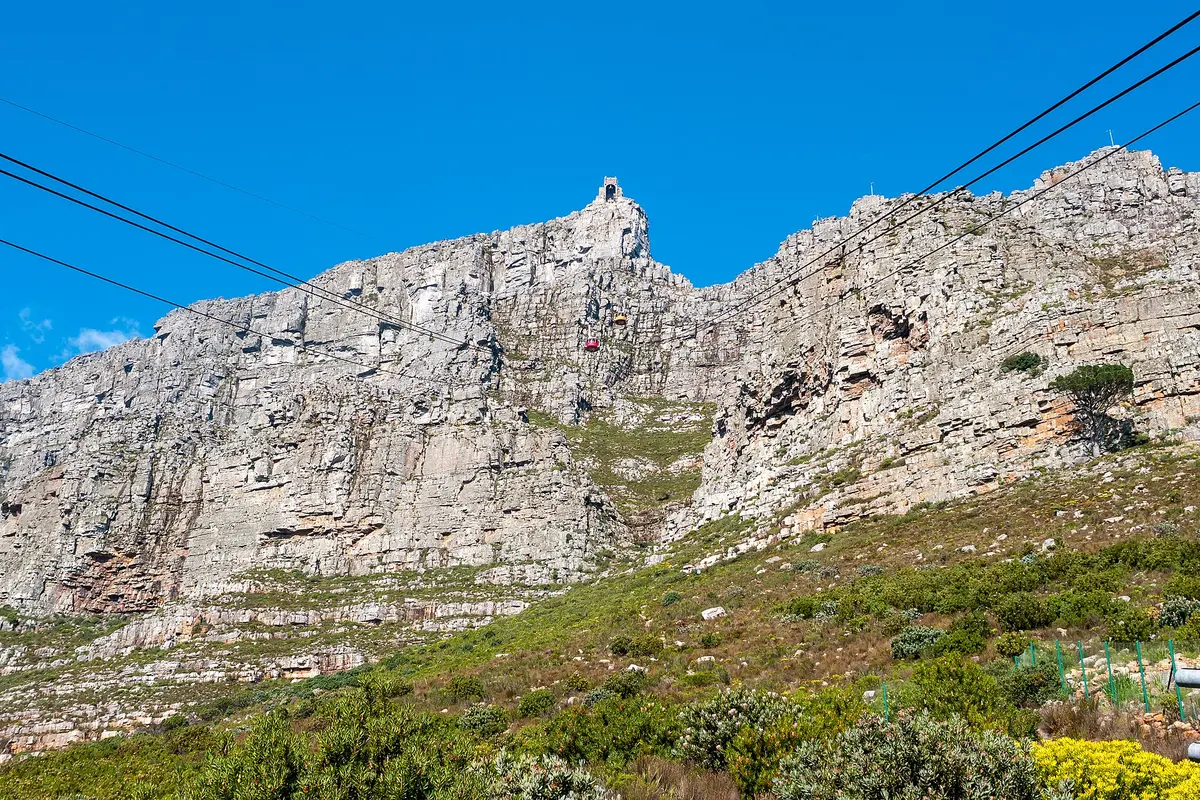
이 사이트의 티켓은 Beyond Africa Safaris - Gray Line South Africa에서 판매하는 테이블 마운틴 케이블카 사전 예약 패스트트랙 티켓입니다. 회전하는 케이블카의 왕복 탑승이 포함되며, 별도의 패스트트랙 입구를 통해 입장합니다. 방문 시간은 2시간으로 표시되어 있는데, 이는 탑승 자체가 아닌 전체 일정을 의미합니다. 투어가 아닌 티켓이므로 정상에서 원하는 속도로 자유롭게 둘러볼 수 있습니다. 제공업체가 WhatsApp 또는 iMessage로 티켓을 보내드리므로, 둘 중 하나에서 작동하는 휴대폰 번호를 알려주세요. 예약 페이지에서는 고객님의 통화로 실시간 가격을 확인하실 수 있습니다.
왕복, 편도 및 할인 승차권
이 운영사는 왕복권과 편도권을 모두 판매하며, 어린이·경로·학생 요금이 각각 따로 책정되어 있습니다. 만 4세 미만 어린이는 이 운영사의 티켓으로 무료 탑승할 수 있고, 어린이 요금은 만 4세부터 17세까지 적용됩니다. 할인은 증빙이 있어야 적용되는데, 경로 우대는 유효한 남아프리카 공화국 신분증이 필요하고, 학생은 유효한 학생증을 제시해야 하며 매표소에서만 구매할 수 있습니다. 이곳에서 판매하는 티켓은 왕복 탑승권입니다. 편도로 하이킹할 계획이라면 이 운영사의 편도권이 더 적합합니다.
- 왕복: 케이블카로 오르내리기
- 편도: 걸어서 올라가거나 내려오는 하이커를 위한 옵션
- 4명 미만: 운영사 티켓은 무료
- 시니어와 학생: 할인 요금은 신분증이 필요합니다
패스트트랙이 절약해 주는 것, 그리고 그렇지 않은 것
일반 티켓이라고 해서 짧게 기다릴 수 있는 것은 아닙니다. 운영사에 따르면 붐비는 날에는 케이블카를 타기 위해 여전히 줄을 서야 하며, 그 줄을 건너뛸 수 있는 패스트트랙 옵션을 별도로 판매합니다. 여기서 판매하는 티켓 역시 별도의 패스트트랙 입구를 이용합니다. 하지만 어떤 티켓으로도 바꿀 수 없는 것이 바로 여정 자체입니다. 모두 같은 케이블카를 타며, 운행 여부는 날씨에 따라 결정됩니다. 절약되는 것은 줄이지, 탑승 시간이 아닙니다. 대기 줄은 날짜와 계절에 따라 달라지므로, 운영사는 웹사이트에서 하부역과 상부역의 실시간 대기 시간을 안내합니다.
만석인 날, 왜 미리 예약해야 할까요
케이블카가 정원에 도달하는 날에는 티켓 소지자만 탑승할 수 있으며 현장 발권이 중단된다고 운영사는 밝힙니다. 이는 도착 전에 미리 티켓을 확보해야 하는 가장 실질적인 이유입니다. 운영사는 여름을 가장 붐비는 시즌으로 꼽으며, 첫 차를 타기 위해 일찍 도착하거나 비교적 한산한 늦은 시간대에 오는 것을 권장합니다. 무료 취소와 지금 예약하고 나중에 결제하기 옵션이 있는 예약이라면 오늘 결제하지 않고 유력한 날짜를 선택한 뒤, 최대 24시간 전까지 일정을 변경할 수 있습니다.
여기 또는 운영사에서 예약하세요
운영사에서 직접 구매하실 수도 있습니다. 운영사의 티켓은 공식 티켓팅 대행사인 Webtickets를 통해 온라인으로, 그리고 현장 매표소에서 판매됩니다. 운영사 웹사이트에 따르면 케이블카 티켓은 해당 대행사를 통해서만 유효하며, 케이프타운 관광청(Cape Town Tourism)과 City Sightseeing South Africa를 다른 공식 판매처로 명시하고 있습니다. 이 페이지의 티켓은 별도의 투어 제공업체에서 제공하는 것으로, 해당 제공업체의 약관이 적용되며 티켓도 그 업체가 직접 발행합니다. 자국 통화로 가격을 확인하고 이용 24시간 전까지 무료 취소를 원하신다면 이곳에서 예약하시는 것이 좋습니다. 운영사의 자체 약관을 원하신다면 운영사에서 구매하세요. 어느 쪽이든 예약 확인서를 꼭 읽어보시기 바랍니다.
다음 글: 테이블 마운틴 가는 길
바람과 구름, 그리고 궂은 날씨
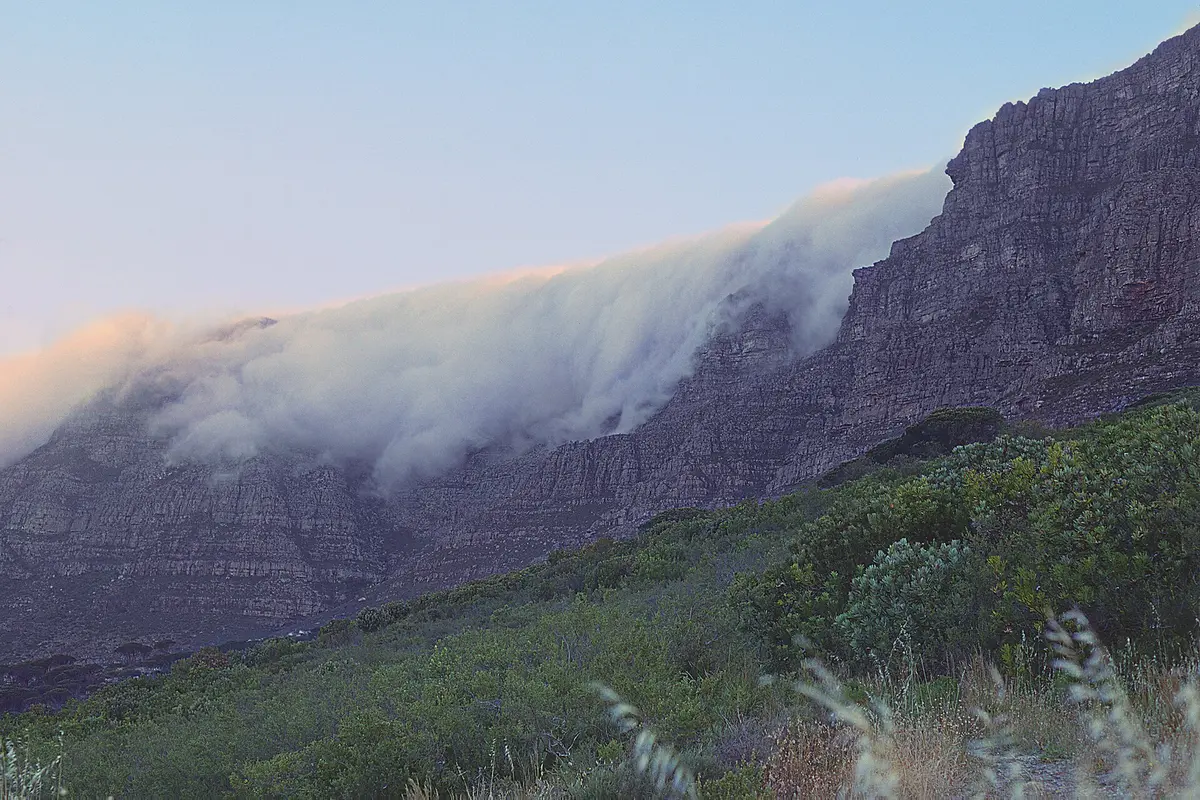
운영사는 운행 시간을 기상 상황에 따라 달라진다고 공지하며, 악천후 시 케이블카가 운행 중단될 수 있다고 안내합니다. 강풍이 흔한 원인이며, 운영사의 방문객 안내에는 강풍이 다가오고 상부 정류장이 폐쇄될 예정이므로 사이렌이 울리면 방문객은 상부 정류장으로 돌아가야 한다고 명시되어 있습니다. 식탁보 현상은 절벽 위로 쏟아져 내리는 구름을 말합니다. 남동풍이 습한 공기를 경사면 위로 밀어 올려 더 차가운 공기층과 만나면 응결이 일어나는 것입니다. 폐쇄로 인해 발이 묶이더라도, 이 사이트에서 구매한 티켓은 날짜로부터 7일간 유효합니다. 그 기간 내에 사용할 수 없다면 제공업체에 환불을 문의하세요.
연례 유지보수 휴무
케이블카는 연 1회 계획 정비를 위해 운행을 중단합니다. 운영사는 이를 국제 기준에 부합하는 정비 일정의 일환이라고 설명합니다. 과거 운휴 기간에는 양쪽 정류장의 상점, 레스토랑 및 기타 시설이 케이블카와 함께 일반에 문을 닫았고, 산은 등산객에게 개방되었지만 하산은 걸어서 해야 한다는 안내가 제공되었습니다. 운영사는 매년 해당 날짜를 웹사이트에 공지하므로, 방문일을 정하기 전에 확인하시기 바랍니다. 예약 후 운휴 사실을 알게 되더라도 이용 24시간 전까지 무료 취소가 가능합니다.
오늘 문을 여나요?
하늘만 보고 판단하지 마세요. 운영사 웹사이트 상단에서는 케이블카 운행 여부, 당일 첫차와 막차 시간, 양쪽 정류장의 대기 시간을 확인할 수 있습니다. 실시간 웹캠 링크도 제공됩니다. 운영사 공식 앱(Apple 및 Google 스토어)에서는 실시간 날씨, 운행 상태, 대기 시간을 보여줍니다. 도심과 정상의 상황은 달라질 수 있으니 호텔을 나서기 전에 둘 중 하나를 확인하세요. 운행 중단으로 표시되어 있다면 운영사가 달리 안내할 때까지 그날은 운행 중단으로 여기세요.
날짜 선택
테이블 마운틴은 유연한 일정에 보답합니다. 가능하다면 여행 초반에 예약하세요. 하루가 휴무여도 여유로운 다른 날이 남아 있게 됩니다. 지금 예약하고 나중에 결제, 방문 24시간 전까지 무료 취소가 가능하니 예보가 바뀌어도 계획을 쉽게 바꿀 수 있습니다. 운영 시간은 연중 달라지므로, 예약 캘린더와 확인서에 해당 날짜의 시간이 표시됩니다. 하루의 양 끝 모두 선택지가 됩니다. 첫 케이블카를 타려면 이른 시간, 운영사가 더 한산하다고 말하는 늦은 시간도 좋습니다. 산을 마지막 오후에 묶어두기보다 일정에 여유 있는 시간대를 확보하세요.
이런 분께는 맞지 않습니다
올라갈 때는 걸어서, 내려올 때는 케이블카를 타려는 경우(또는 그 반대)라면 이 티켓은 건너뛰세요. 운영사의 편도 티켓이 그런 일정에 더 잘 맞습니다. 확실한 전망을 원한다면 이 티켓은 건너뛰세요. 어떤 티켓도 날씨를 보장할 수는 없으니까요. 가이드 투어를 원한다면 건너뛰세요. 이것은 입장권이며, 다만 운영사가 정상에서 무료 가이드 산책을 진행하기는 합니다. 그리고 운영사와 직접 거래하는 편이 좋다면 역시 건너뛰세요. 운영사 자체 온라인 및 매표소 판매에 대해서는 위에서 설명했습니다.
자주 묻는 질문
오늘 테이블 마운틴 케이블카 운행하나요?
당일 운영사의 웹사이트나 앱을 확인하세요. 케이블카 운행 여부와 양쪽 역의 대기 시간을 확인할 수 있습니다. 케이블카는 기상 조건에 따라 운행되며 악천후 시 운행이 중단될 수 있습니다.
테이블 마운틴 티켓은 미리 예약해야 하나요?
꼭 필요한 것은 아니지만, 있으면 큰 도움이 됩니다. 붐비는 날에는 일반 입장권으로도 줄을 서야 하고, 케이블카가 만석일 때는 입장권 소지자만 탑승할 수 있습니다. 여기서 판매하는 입장권은 패스트트랙 입장이 가능하며, 24시간 전까지 무료 취소가 됩니다.
이용 예정일에 케이블카가 운행 중단되면 어떻게 되나요?
날씨로 인한 휴무의 경우, 본 사이트에서 발권된 티켓은 발권일로부터 7일간 유효합니다. 해당 기간 내에 사용하지 못하실 경우, 제공업체에 문의하시면 환불을 받으실 수 있습니다. 또한 이용 24시간 전까지는 무료 취소가 가능합니다.
케이블카가 정비로 운행을 중단하나요?
네, 1년에 한 번입니다. 운영사는 계획된 정비를 위해 케이블카를 운휴하며, 양쪽 역의 시설도 함께 문을 닫습니다. 운영사는 홈페이지에 해당 날짜를 공지하니, 방문일을 정하기 전에 반드시 확인하세요.
티켓이 왕복 여행용인가요?
네. 이곳에서 판매하는 티켓은 왕복 탑승을 포함합니다. 운영사에서는 편도 티켓도 판매하는데, 이는 한 방향으로 도보 이동하는 등산객에게 적합합니다.
티켓은 어떻게 받나요?
제공업체가 WhatsApp 또는 iMessage로 보내드리므로, 예약 시 두 서비스 중 하나에서 작동하는 휴대폰 번호를 입력해 주세요. 확인서도 잘 보관해 주시기 바랍니다.
출처
- Operating hours (Table Mountain Aerial Cableway)
- Buy tickets (Table Mountain Aerial Cableway)
- Ticket types (Table Mountain Aerial Cableway)
- Fast Track (Table Mountain Aerial Cableway)
- Annual maintenance notice (Table Mountain Aerial Cableway)
- Visitor information guide (Table Mountain Aerial Cableway)
- Handy hints for visiting (Table Mountain Aerial Cableway)
- Table Mountain (Wikipedia)